Counting station
Appropriate when the business question is bags passing a defined point. It does not automatically include seam or print checks.
addaScan is a Johannesburg-based machine vision integrator that designs vision inspection stations and supplies industrial code readers for factories in Zambia; where site work is agreed, its engineers travel from Johannesburg, and quotes are in US dollars. Plan vision inspection for bagged products, bottled goods and suitable metal-processing tasks in Zambia. For a milling or bagging line, define bag-mouth condition, printed information and dispatch count as separate acceptance questions. addaScan scopes the inspection around the actual presentation, dust, spacing and line controls, with remote assessment from Johannesburg.
Updated 2 November 2026 · Technical contact: Frank Guo
Two bags travel close together; one stitched mouth is partly hidden. Tracking may establish that two physical bags passed, while the mouth inspection has insufficient evidence for one of them. Preserve both results. Counting the bags correctly must not turn the hidden seam into a pass, and following a bag across several frames must not create extra count events.
Have samples, photos or a line drawing? Start the assessment now, or send them on WhatsApp.
Request a Vision AssessmentWhatsApp +27 68 925 2696Define the evidence and the failure response before selecting a camera, then test each choice on your own products and line conditions.
| Task | Reference and camera view | Exception and boundary |
|---|---|---|
| Stitched maize-meal bag mouths | See the required seam and bag edge; compare visible gaps or loose material with agreed defect examples. | Send an unobserved mouth to the exception route. Do not claim that the camera measured bag weight or proved a dust-tight seal. |
| Bag print and identity | Present the required date, batch or product area to the camera and compare it with the active job. | Separate poor visibility from incorrect information, and retain the bag event across the reject position. |
| Dispatch counts | Track physical bags through variable spacing, dust and stops; define when an event becomes a completed count. | Reconcile products in the counting zone after a restart rather than simply resetting a displayed total. |
| Copper refinery anodes | For a suitable copper-anode process, review plate flatness, lugs and visible fins or surface defects against drawings and samples. | Use a separate feasibility assessment for hot, large or irregular parts; internal flaws are outside an external optical check. |
Related solutions: Maize meal bag inspection · Cement bag inspection · Presence, absence & counting
A stitch line can run outside the folded mouth, and touching or overlapping bags can break a count. One camera result does not answer both questions.
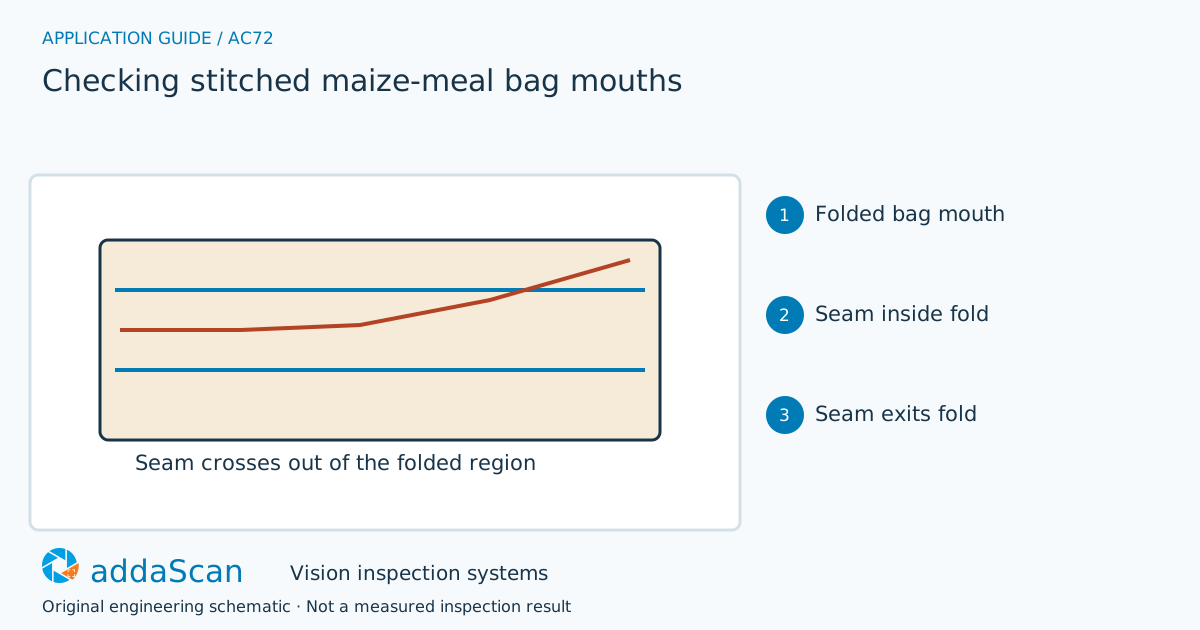
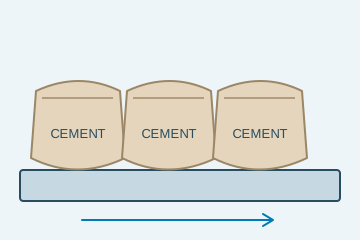
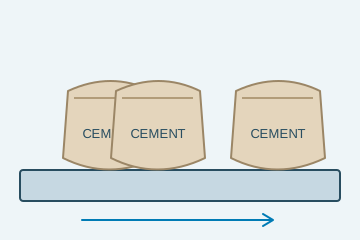
Original schematics from addaScan’s maize-meal bag and cement-bag counting guides, not photographs from Zambia. Stitched maize-meal bag mouths · Cement bag counting
The cement-bag counting guide below explains tracking under dust and irregular spacing. Its product and operating conditions remain specific to that guide; it is not a measured performance claim for maize-meal bags.
Zambian mills, bottlers and refineries read codes in very different conditions: printed mill bags, bottle and case labels, and identification marks on metal products. Count and identity are separate questions; a reader confirms which code passed, not how many bags were filled. Dust, temperature and mounting space decide the housing and accessories as much as the code itself.
| Series | Where it fits in this country’s tasks |
|---|---|
| ID5000 | Mill-bag codes with variable position across a wide field. |
| ID3000 | Bottle and case labels on a fast line; IP67 with lens cover. |
| IDH7000 | Handheld reading of direct part marks on metal items in the plant. |
Series positioning, protection and interfaces as published in the HIKROBOT 2025 Q4 catalogue; the quotation confirms the exact model. No official HIKROBOT partnership or distributor status is claimed. HIKROBOT code reader selection
Industrial Barcode Scanners in Kenya · Request a reader quotation →
Maintain a physical bag event even when spacing changes.
Keep mouth condition, print result and count as distinct records.
Check remaining bags and reject events before restarting the counter.
| Scope decision | Information and owner to confirm |
|---|---|
| Bag-line acceptance | Agree whether the purchase covers mouth appearance, printed identity, counting or a combination. Prepare separate acceptance records so a correct count cannot approve an unseen seam. |
| Refinery enquiry as a separate scope | For an anode task, identify the actual process, workpiece temperature, drawing and handling method. Assign responsibility for safe access and positioning before an optical trial. |
Reader supply, a configured reading point and an integrated station are quoted as different scopes. Freight, import and customs responsibilities, engineering travel, installation, training and support are itemised in USD. How a cross-border quotation is structured
Product standards and certification marks in Zambia sit with the bodies below.
National standards body: standards development, conformity assessment, testing and certification.
Agency responsible for compulsory standards.
A camera station can check that a required mark or printed field is present and legible on each pack; whether your product needs it is confirmed with the authority or your certification adviser.
Site work is quoted to the factory’s actual location, for example in Lusaka or the Copperbelt towns of Ndola and Kitwe.
Comparing industrial automation companies in Zambia? addaScan’s part is the inspection: it designs vision inspection stations and supplies industrial code readers, and connects them to the PLC, conveyor and reject device that your plant’s automation team, machine builder or local integrator maintains.
For bags, provide material and dimensions, stitch examples, print location, overlap, dust and cleaning conditions, and shift-count rules. For anodes, provide the process stage, material, drawings, temperature, handling arrangement and representative visible faults.
Photos, drawings and samples are arranged after initial contact.
Request a Vision Assessment →Compare the relevant method and its limits in these application guides.
Describe the product, the required decision and the factory country. We will use those details to scope the next assessment.